
Reviewed · WALKING TOURS
Half-Day Sightseeing and Walking Tour of Belgrade City
Belgrade’s story comes at you in layers on this walk: medieval Serbia, Ottoman rule, royal dynasties, World War I, Yugoslavia, and modern city life all appear within a few blocks. The best part is the way guides such as Aleksandar Bastic connect statues and buildings to the larger story of Serbia, rather than treating each stop as an isolated photo opportunity.
I like the small maximum group of six, which gives you room to ask questions and makes solo visitors feel included. I also like the route itself: it begins near the National Assembly and ends beside the Belgrade City Library, taking you through central streets before reaching the Sava and Danube at Kalemegdan.
The main caution is that this is an outdoor walking tour, not a full fortress visit. One account found the Kalemegdan explanation too brief, and traffic noise can make parts of the commentary hard to hear. Confirm the language before booking if anyone in your party needs Russian, since the advertised language is English.
Key points at a glance
- Small groups of up to six: You get a more personal walk, with time for questions and local suggestions.
- A useful first look at Belgrade: The route links royal buildings, monuments, pedestrian streets, and the fortress in one compact outing.
- Strong historical storytelling: Aleksandar and Milica are praised for explaining Serbia, Yugoslavia, the Balkans, and modern Belgrade in clear context.
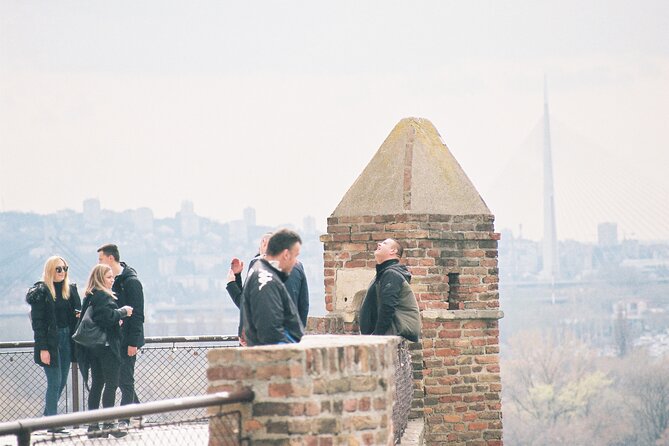
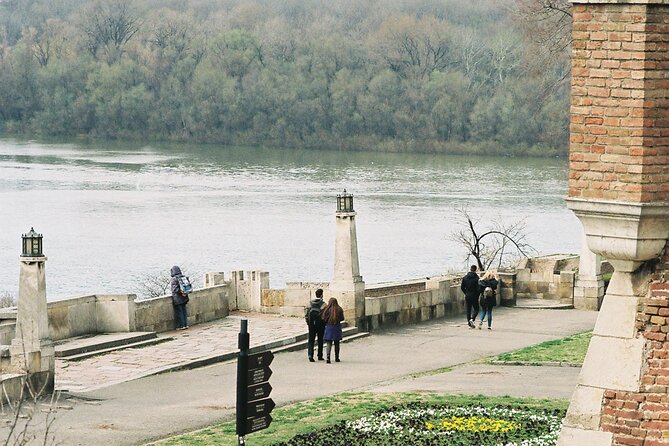
- Kalemegdan views: The fortress ridge sits above the meeting point of the Sava and Danube, the visual highlight of the walk.
- Coffee is included: Serbian coffee is treated as a social ritual, not a quick caffeine stop.
- No transport or lunch: You walk between the sights, and the tour does not include a meal or vehicle transfers.
A compact route through Belgrade’s long story
At $38.34 per person, this is a fair price for a private-feeling city walk with a group cap of six. The tour lasts about two to three hours, so you are paying for a focused introduction rather than an all-day program.
I see the greatest value in the guide’s interpretation. Belgrade can feel hard to read at first. Its buildings reflect different rulers, religions, wars, and political eras, but the clues are scattered. A good guide gives you a pattern to follow. This experience is especially useful early in your stay, when you want to decide which museums, restaurants, neighborhoods, and evening spots deserve more time.
The route is mostly on foot and connects the sights in a sensible direction. It begins at Kosovska 47 at 11 a.m. and finishes at 56 Knez Mihailova, in front of the Belgrade City Library. Transportation is not included, but that matters less here because the experience is built around walking through the city center.
Other walks around Belgrade:
- Belgrade: 3-Hour Small Group Walking Tour
★ 5.0 · 180 reviews - Belgrade City Walk, Gathering and Sightseeing
★ 5.0 · 19 reviews - Belgrade Private Walking Tour with a Local
★ 5.0 · 19 reviews
St. Mark’s Church and medieval Serbia
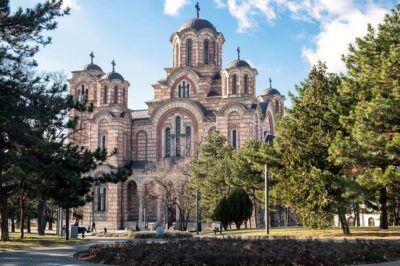
The first listed stop is Crkva Svetog Marka, or St. Mark’s Church. The visit includes the tomb and sarcophagus of Stefan Uroš IV Dušan, one of medieval Serbia’s most important rulers.
Dušan ruled as king from 1331 to 1346 and then as Emperor of the Serbs, Greeks, and Albanians from 1346 to 1355. That title alone opens a door into the scale of medieval Serbian power and ambition. The guide can use the church as a starting point for explaining how Serbia developed before Ottoman rule reshaped the region.
Allow about 20 minutes here. Admission is free, but this is still a religious setting, so dress with some care. If you are traveling with children, long pants may be needed for entry into churches. One family found that a guide even lent a coat so a child could enter, but bringing suitable clothing is the simpler plan.
The Old Palace and Belgrade’s royal era
The walk then reaches Belgrade’s Old Palace, built between 1882 and 1884 for the Obrenović dynasty. It now houses the City Assembly of Belgrade and sits at the corner of Kralja Milana and Dragoslava Jovanovića streets.
The building is an example of 19th-century academic architecture, and the outside is the main point of interest on this tour. You should not expect a palace interior visit. Instead, you will learn how the building fits into Serbia’s effort to present itself as a modern European state after centuries of Ottoman influence.
The scheduled stop is about 30 minutes, making this one of the longer urban stops before the fortress. This is a good place to pay attention to architectural details while listening to the political story behind them. The guide’s value matters here because a palace can otherwise become just another handsome facade.
The National Assembly and the start of the walk
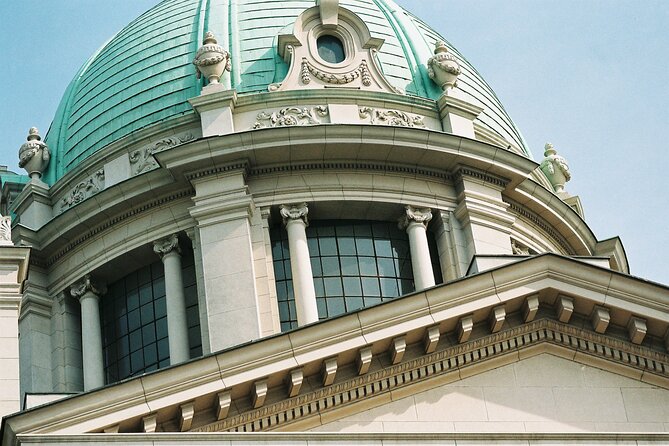
The meeting point is in front of the National Assembly of the Republic of Serbia. Its grand exterior, paired with the sculpture group called Play of the Black Horses, makes it one of central Belgrade’s most striking buildings.
Construction took nearly 30 years. Financial problems, wars, and public disagreements all slowed the work. That delay tells you something useful about Serbia’s difficult path toward a stable modern state. The building is not just a backdrop for the starting photo. It gives the guide a clear place to discuss politics, statehood, and the forces that shaped the capital.
The stop is listed at 15 minutes. Arrive ready to begin at 11 a.m., since the walk starts here rather than at a hotel. The small group size should make it easier to spot the guide, but check your confirmation for the exact meeting details before setting out.
A few more things to book in Belgrade
- Belgrade Sightseeing Half-Day Trip Old and New Belgrade
★ 4.5 · 71 reviews
Terazije Fountain and Prince Mihailo
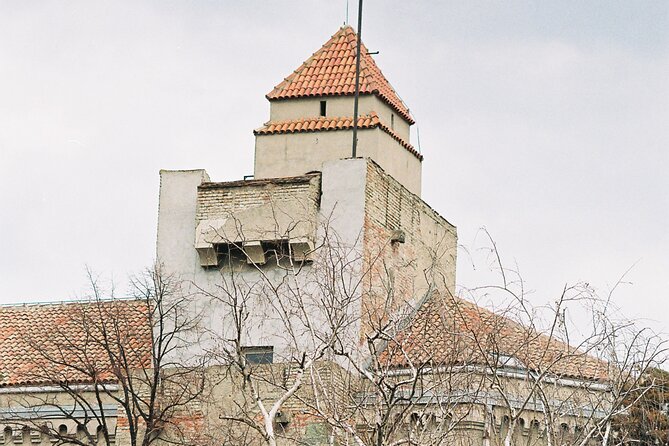
At Terazije, you will see a fountain erected in 1860 as both a practical water source and a decorative object. It is a small stop, around 15 minutes, but it helps show how the city center developed as Belgrade grew beyond its older defensive core.
The route continues to the monument to Prince Mihailo. Italian sculptor Enrico Pazzi created the monument, while Konstantin Jovanović designed its decorative reliefs. Prince Mihailo is closely tied to Serbia’s 19th-century national development, so this is another place where a short explanation can turn a statue into a useful history lesson.
These stops work well together. The fountain speaks to everyday city life, while the monument points toward political leadership and national identity. I would not expect a long pause at either one, but they add texture to the walk and break up the larger landmarks.
Knez Mihailova, Belgrade’s pedestrian spine
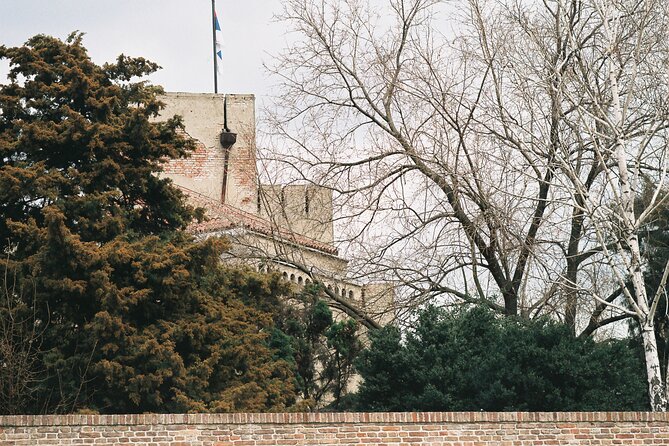
Knez Mihailova is the main pedestrian street in central Belgrade. It runs near Kalemegdan Fortress and acts as the bridge between the city’s formal center and its old defensive ridge.
This is one of the easiest parts of the tour to enjoy without a lecture. You can walk, look at the buildings, watch daily city life, and get a feel for Belgrade’s central rhythm. The guide adds context about the street and points out how it connects with the fortress area.
The scheduled time is about 20 minutes. That is enough for an introduction, but not enough to explore every shop, cafe, gallery, or side street. I would use the guide’s recommendations here as a starting point, then return later if you want to browse at your own pace.
Kalemegdan Park and Belgrade Fortress
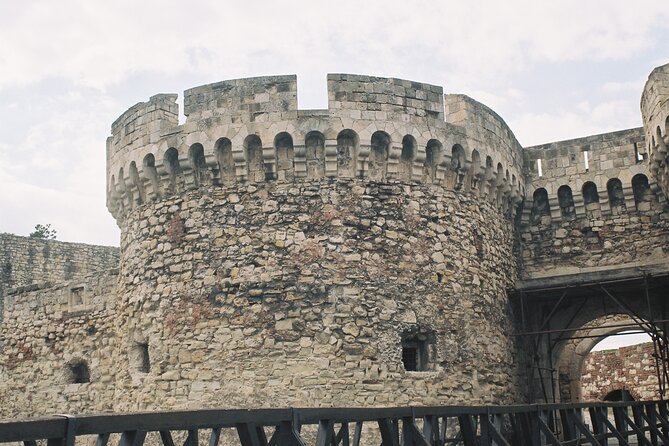
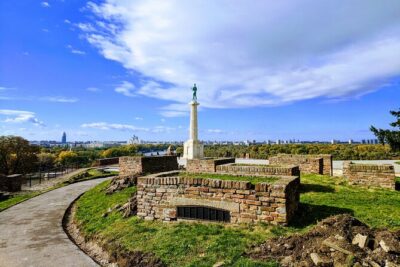
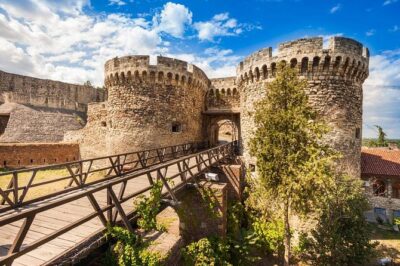
Kalemegdan is the major stop, with about 45 minutes set aside. The fortress occupies a ridge above the junction of the Sava and Danube, a position that offered control over the surrounding plain and river approaches. People lived on this ridge as far back as prehistoric times.
That location explains why Belgrade has been fought over so often. From the fortress area, you can grasp the city’s military importance more clearly than from a map. The rivers, open ground, and high ridge make the logic of the site easy to see.
The word Kalemegdan often refers to the park around the fortress, while the fortifications themselves contain layers from different periods. The Clock Tower, or Sahat Kula, is one example. Construction began under the Austrians and ended under Ottoman rule between 1740 and 1789. Its 10-minute stop gives you a quick look at how control of Belgrade changed hands.
Here is the tour’s main limitation: 45 minutes is enough to orient you, but not to inspect every corner of the fortress complex. If you want extensive time inside the fortifications, military history, or a slower look at the park, plan a return visit. One person found the fortress section lighter on detail than expected. I would treat this tour as a first pass, not a complete fortress experience.
French friendship and the handover of the city keys
Just outside Kalemegdan Fortress, the Monument of Gratitude to France recalls the cooperation between Serbia and France during World War I. It adds an international angle to the route and reminds you that Serbia’s story is tied closely to wider European conflicts.
The final historical stop is the place where the city keys were handed to Prince Mihailo Obrenović in 1867. Ottoman forces gave the keys of several Serbian fortresses to the prince on April 6 that year. The moment helped Serbia move toward wider international recognition, which came with the Treaty of Berlin in 1878.
This is a fitting way to finish the historical portion of the walk. You have moved from medieval Serbian power to Ottoman rule, royal Serbia, European alliances, and the country’s growing independence. The site itself may not look dramatic, so the explanation is what makes it worthwhile.
Coffee, conversation, and practical local advice
Coffee or tea is included, and the coffee stop is more than a quick refreshment. In Serbia, coffee is a social ritual, so this pause gives the guide a chance to talk about daily life as well as monuments.
The guide style is one of the strongest reasons to choose this experience. Aleksandar is described as friendly, flexible, and willing to answer sensitive questions about Serbia, politics, history, and the region. He has also offered practical suggestions for restaurants, nightlife, and other things to do. Milica is described as warm, professional, and attentive to the group.
The tour can feel especially personal if you are alone or if the group is small. A solo booking may even work in your favor because there is more room for questions and spontaneous detours. The route has occasionally expanded beyond the strict schedule when the guide saw a useful extra detail or a good chance to explain the city.
One practical issue is sound. Some parts of the route run near traffic, and one person found it easy to miss words. Stay close to the guide and ask for a repeat when needed. This is a walking conversation, not a headset tour.
Who will get the most from this walk
I would choose this tour if you are visiting Belgrade for the first time and want a solid framework before exploring alone. It suits people who prefer stories and context over a rapid checklist of photo stops.
It is also a good match for solo visitors, couples, and families who want a manageable morning or midday activity. Most people can participate, service animals are allowed, and the route is near public transportation. Still, you should be comfortable walking outdoors for several hours and dealing with city noise and uneven historic areas.
History fans will appreciate the range of subjects, from Emperor Dušan to the Ottoman period and 20th-century Serbia. People mainly interested in shopping, food, or nightlife will benefit from the local suggestions, but those are not the central purpose of the tour.
The advertised language is English. A Russian-language tour has taken place, but one booking involved a serious language mismatch. If Russian is essential for someone in your group, confirm the language directly before paying rather than relying on an assumption.
Timing, cancellation, and value
The 11 a.m. start gives you a useful middle point in the day. You avoid an early morning departure while still finishing with time for lunch or further sightseeing. Lunch is not included, and neither is transportation, so budget for both if needed.
The price includes the guide, the walking experience, and coffee or tea. With a maximum of six people, the cost is reasonable for visitors who want personal attention instead of a large group. The 4.9 rating from 37 ratings and 95 percent recommendation indicate strong overall satisfaction, though the lower scores point to two real concerns: language coordination and limited fortress detail.
Free cancellation is available up to 24 hours before the start time. Changes or cancellations inside that window are not accepted for a refund. The experience also requires a minimum number of participants, and if that minimum is not met, you are offered another date or a full refund.
Should you book the Belgrade walking tour?
Book it if you want a compact, history-focused introduction led by a guide who can connect Belgrade’s monuments to Serbia’s wider story. The small group limit, coffee stop, flexible conversation, and central route make the $38.34 price sensible for a first day in town.
Skip it if you want a long, detailed exploration of Kalemegdan Fortress, interior access to royal buildings, or a tour in a language other than English without confirming it first. For most first-time visitors, though, this is a useful way to get your bearings, learn how Belgrade fits together, and collect good ideas for the rest of your stay.
FAQ
Where does the tour begin?
It begins at Kosovska 47 in Belgrade, in front of the National Assembly of the Republic of Serbia. The start time is 11 a.m.
Where does the tour end?
The walk ends at Kneza Mihaila 54a, in front of the Belgrade City Library at 56 Knez Mihailova Street.
How long does the experience last?
The tour lasts approximately two to three hours, although one recorded Russian-language experience lasted four hours.
What language is the tour offered in?
The stated tour language is English. Since a language issue occurred with one Russian-language booking, confirm directly if Russian is required.
How many people can join?
The experience has a maximum of six participants.
Is coffee included?
Yes. Coffee or tea is included, with coffee presented as an important Serbian social ritual.
Is transportation or lunch included?
No. Transportation and lunch are not included. The experience is a walking tour through central Belgrade.
Can I cancel for a full refund?
Yes, if you cancel at least 24 hours before the local start time. Cancellations or changes made less than 24 hours before the start are not refunded.
Just added in Belgrade
- Belgrade Layover Private tour + E-Scooter Sighteeing★ 5.0 · 6 reviews
- Belgrade Insight Private Tour – For Those Who Seek Answers★ 5.0 · 6 reviews
- Belgrade Private Driving & Walking Tour★ 5.0 · 4 reviews
- Belgrade Fashion and Design Tour – Discover Local Designers★ 5.0 · 4 reviews
- 4-Hour Belgrade Private Grand City Walking Tour★ 5.0 · 8 reviews
- Belgrade Local Craft Beer Tasting Tour★ 5.0 · 8 reviews
- Belgrade Chuggalong – Pub Crawl★ 4.0 · 8 reviews
- Ada Lake Tour★ 5.0 · 7 reviews
Walking Tours, compared.

Belgrade center walking tour with Rakija, Cocktails and Burgers
Read our review →Browse the lists this tour appears in