
Reviewed · HISTORICAL TOURS
Romantic history tour of Belgrade
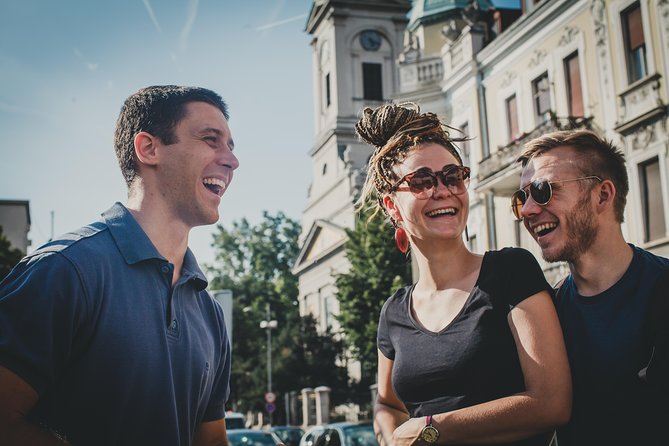
Belgrade’s romantic history is less about roses and more about jealousy, loyalty, betrayal, and political power. On this three-hour walk, guide Slobodan, or Sloba, uses five Old Town locations to connect private love stories with Serbia’s public past, from Princess Ljubica and Miloš Obrenović to the royal family.
I like the small group limit of 10, which gives Sloba room to tell stories in a relaxed way. I also like the included ice cream and drink, a simple but welcome pause that adds a local touch. The main drawback is that this is a story-led walk rather than an inside-the-buildings sightseeing tour, and admission tickets are not included.
Key points at a glance
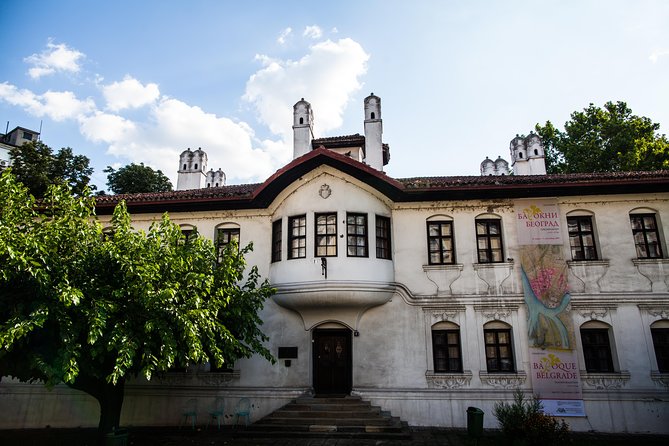
- Princess Ljubica sets the tone: Begin with a powerful story of love and hate involving Ljubica and Miloš Obrenović.
- Five stops, five different moods: The route covers a princess, an artist’s pavilion, a tragic family, a faithful widower, and a royal dynasty.
- Sloba is the central attraction: His clear English and lively storytelling turn Serbian history into a chain of human dramas.
- Ice cream is part of the experience: You receive an included snack and drink during the walk, with ice cream praised as a highlight.
- Small groups make a difference: With no more than 10 people, you should have a better chance to hear questions and follow the stories.
- The route finishes socially: The walk ends at Poslednja šansa pub near Tašmajdan Park, not back at the starting point.
Belgrade’s love stories are also political stories
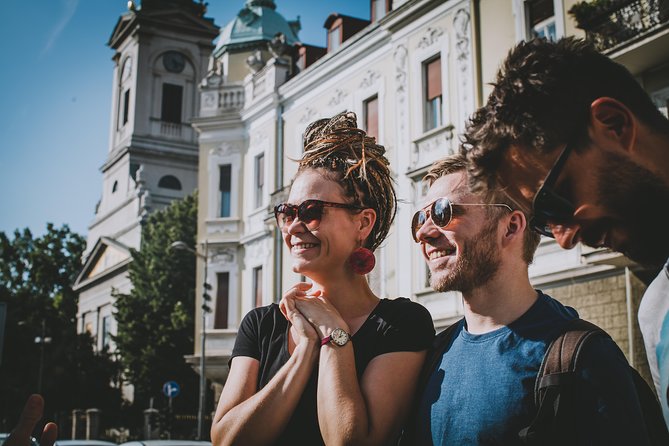
This tour works because romance is used as a doorway into Serbian history. Instead of beginning with dates, battles, and political titles, Sloba focuses on people who wanted something, feared something, or made a costly choice. You hear how personal relationships affected families, reputations, and even a ruling dynasty.
That approach suits Belgrade. The city can look plain at first glance, with modest facades and busy streets that do not always announce their past. A good story changes how you see those places. A building becomes the setting for a marriage under strain, a family tragedy, or a decision that altered public life.
The tone is not simply sweet or sentimental. The material includes love and loyalty, but also resentment, confrontation, spying, and loss. One story concerns Princess Ljubica and Miloš Obrenović. Another deals with Miloje Božić, his conflict with Miloš, and the sad fate of Miloje’s daughter. This is romantic history with sharp edges.
The tour costs $42 per person and lasts about three hours. For that price, you are paying mainly for Sloba’s presentation and the unusual subject, not for museum admissions or a long list of included attractions. If you enjoy guided storytelling, the value is strong. If you want to enter several buildings, see major collections, or cover every classic Belgrade sight, a standard city tour may suit you better.
A few more things to book in Belgrade
- History and Culture in my Belgrade
★ 5.0 · 41 reviews - NATO Bombing of Belgrade Historical Tour
★ 5.0 · 17 reviews - Football tour: Red Star and Partizan Ultras History
★ 5.0 · 14 reviews
Starting at Gračanička 18 with Princess Ljubica
The meeting point is Gračanička 18, in Belgrade, and the start time is 4:00 p.m. The first stop is the Residence of Princess Ljubica. You stand outside the building while Sloba explains the relationship between Ljubica and Miloš Obrenović.
Allow about 15 minutes here. That may sound brief, but the stop is designed around one focused story rather than a full architectural visit. You should not expect an admission visit, since the ticket is not included and the planned activity is an explanation in front of the residence.
This is a smart opening. Princess Ljubica gives the tour an immediate human center, and her story introduces the way the walk connects private life with Serbia’s political past. You learn about a relationship shaped by love and hate, not a polished fairy tale.
The stop also shows what you should expect for the rest of the afternoon. Sloba points to a place, gives it context, and asks you to picture the people connected with it. The pleasure comes from listening and looking closely, not from rushing through an interior.
Sitting beside Cvijeta Zuzorić Pavilion
The next stop is Art Pavilion Cvijeta Zuzorić, where you sit in front of the building for another romantic story. The scheduled time is again about 15 minutes.
This pause should give the walk a change of pace. You are not simply moving from one address to the next while listening to a lecture. Sitting down creates space for the story to unfold, and it gives you a chance to rest before continuing through the city.
The details of the tale are not specified in advance, which is part of the appeal but also means you should not book this stop expecting a particular famous romance. The value lies in the connection between the setting and the story Sloba chooses to tell there.
The pavilion also adds an artistic note to a route otherwise shaped by royal and family drama. If you like architecture, public spaces, and the way a city’s cultural life overlaps with its personal stories, this should be one of the more atmospheric stops.
Miloje Božić and a family caught in conflict
At the Museum of Vuk and Dositej, Sloba tells the story of Miloje Božić, his confrontation with Miloš Obrenović, and the sad destiny of Miloje’s daughter. This is another 15-minute stop, and again the experience takes place outside rather than as a museum visit.
Here the tour moves beyond romance between two adults. Family members become caught in wider disputes, and the consequences of political conflict reach into private life. That makes the story useful for understanding how power worked in Serbia’s past. A confrontation involving an important ruler did not end with the people directly involved.
This stop should appeal to you if you prefer stories with several layers. You get a personal relationship, a public clash, and the effect on a daughter who did not control the choices around her. It is the sort of tale that can make a short walk feel far more substantial than a list of monuments.
Because the itinerary does not include museum admission, plan to treat the Museum of Vuk and Dositej as a setting and reference point. If seeing the collection inside matters to you, you would need to arrange that separately.
Same city, a different kind of afternoon:
- Northern Serbia: Sremski Karlovci and Novi Sad Full-Day Tour from Belgrade
★ 5.0 · 425 reviews - Day Trip from Belgrade: Gems of Eastern Serbia
★ 5.0 · 424 reviews - Belgrade Nightlife Bar Pub Club Crawl with Drinks
★ 5.0 · 277 reviews - Taxi to/from Belgrade Airport to/from Belgrade City Center
★ 5.0 · 241 reviews
Kolarac and the loyalty of a widower
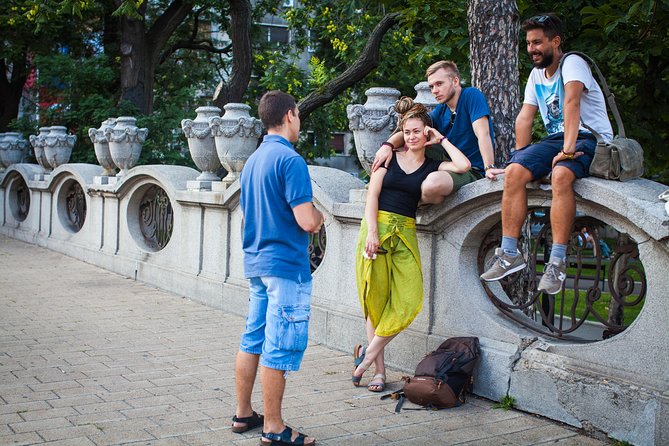
At Kolarac, you hear about the faithfulness of a widowed man. The stop lasts about 15 minutes.
This story provides a useful contrast with the earlier tales of conflict and royal pressure. Not every relationship on the tour is defined by betrayal or political danger. The account of a widower’s loyalty brings the subject back to an ordinary human choice: how someone carries love forward after loss.
That variety is important. A tour built only around palace intrigue could become repetitive. Here, the stories range from powerful families to individuals whose lives were shaped by devotion and grief. You also get a glimpse of the sort of personal history that is easily left out of a conventional sightseeing route.
The exact details of the tale are best left for Sloba to tell in person. The useful point for you is that Kolarac is not just another landmark on a map. It becomes a stage for a story about faithfulness.
The Royal Palace and the cost of love
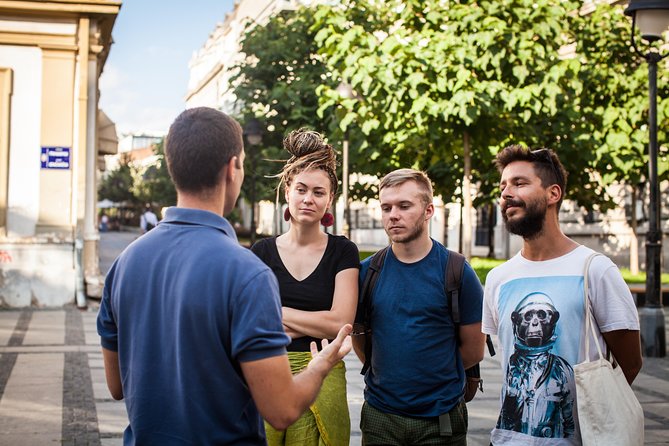
The final major stop is the Royal Palace. Sloba explains how love can bring a ruling dynasty to an end. That gives the walk its broadest political scale.
The earlier stops show relationships affecting families and individuals. At the palace, the consequences reach the state itself. A romantic choice is no longer merely private when it involves succession, public duty, or the future of a royal house.
You should expect to hear the story from outside rather than tour the palace interior. The schedule lists the location as a storytelling stop, and admission tickets are not included. That is worth keeping in mind if you picture a formal palace visit with rooms, furnishings, and exhibits.
Still, the palace is a fitting final setting. It links the personal theme of the tour with Serbia’s political history and leaves you with the clearest example of the central idea: in a monarchy, love can have public consequences.
Sloba’s storytelling makes or breaks the walk
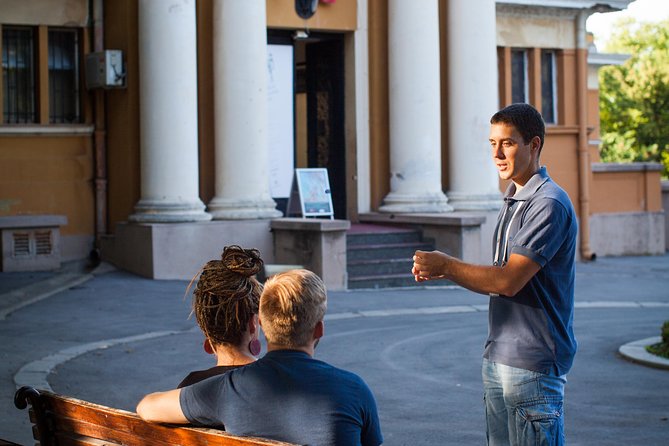
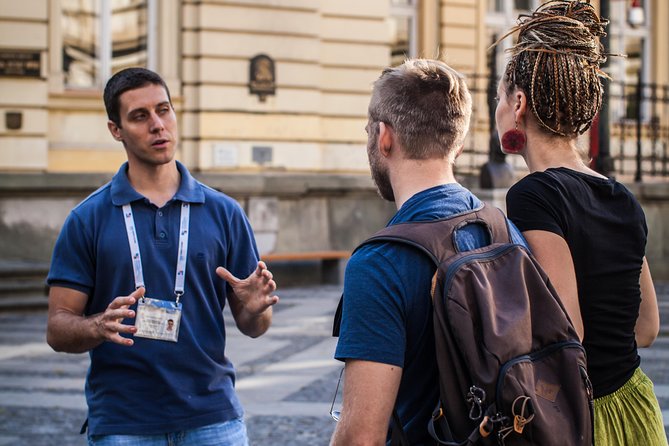
This experience depends heavily on the guide. Slobodan is described as friendly, entertaining, and fluent in English, and the strongest praise focuses on his storytelling. He has a talent for presenting Serbian history as a sequence of plot twists rather than a block of information.
That style is especially useful if you do not know much about Serbia. Names such as Miloš Obrenović, Miloje Božić, Vuk, Dositej, and Princess Ljubica can be hard to place when you first encounter them. A story gives each person a role and makes the connections easier to remember.
Sloba also appears comfortable adding atmosphere. One walk took place in fog, which made the old streets feel almost like a scene from a Gothic mystery. You should not count on fog, of course, but the comment points to the guide’s ability to use the mood of the city rather than ignore it.
The tone includes humor, too. Stories about historical women, a spy, the first woman architect, and unusual relationships help keep the material moving. This is not a dry lecture. If you want a formal academic presentation, the relaxed approach may feel too informal. If you want history with personality, it is a strong match.
Ice cream, drinks, and a welcome pause
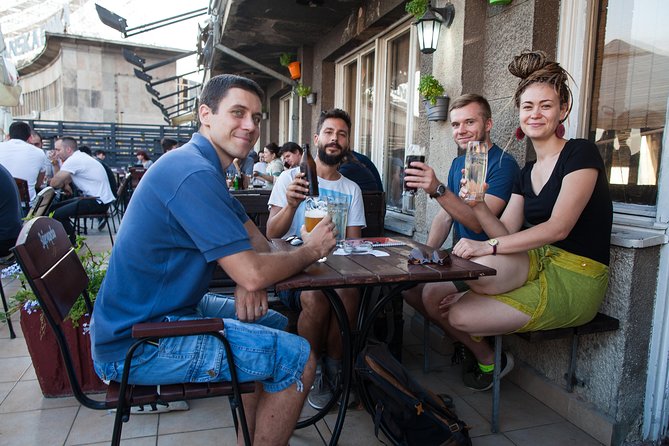
The tour includes a snack and drink, and the specific treat highlighted in the experience is ice cream. One especially useful detail is that the ice cream stop is presented as more than a quick convenience. You sit in a pleasant setting, take a break, and continue the conversation with Sloba.
That pause matters on a three-hour walking tour. Fifteen-minute stops sound easy on paper, but repeated standing and walking can wear you down, especially in cold or uncertain weather. A seat, a drink, and something sweet help reset the pace.
The ice cream also gives the tour a local, social feel. You are not simply paying for facts and moving on. You get a chance to talk about the stories and enjoy a small part of Belgrade’s food culture. The exact drink is not specified, so do not book this expecting a particular beer, coffee, or soft drink. The experience includes a drink, with ice cream clearly part of the offering.
Group size, walking pace, and practical limits
The group is limited to 10 people. That is small enough for a more personal experience, particularly when the guide is telling stories rather than using a microphone. You should be able to hear Sloba more easily and ask questions without interrupting a large crowd.
The tour runs for about three hours and begins at 4:00 p.m. It ends at Tašmajdan Park in the Palilula area, specifically at Poslednja šansa pub. The finish is different from the start, so check the route before booking if you need to return to your hotel or catch evening transport.
The tour is near public transportation, and most people can participate. Service animals are allowed. Since the walk includes several stops and takes place outdoors, comfortable footwear and weather-appropriate clothing are sensible choices, even though those items are not listed as formal requirements.
The experience requires good weather. If poor weather cancels it, you are offered another date or a full refund. You can also cancel for a full refund up to 24 hours before the 4:00 p.m. start time. Within 24 hours, cancellations and changes are not accepted.
Who will enjoy this Belgrade tour?
I would choose this walk if you want to see Belgrade through personal stories rather than a standard list of monuments. It is especially suited to people who enjoy royal scandals, family drama, women’s history, architecture, and the small choices that shape public life.
Couples may find the theme appealing, but you do not need to be on a romantic trip. The content includes loyalty, loss, and betrayal as much as courtship. Solo visitors, friends, and history-minded families can all enjoy it if they like listening to a guide for several hours.
The tour is also a good choice for repeat visitors. If you have already seen the main fortress and central sights, this offers a different way to understand the city. You may recognize streets and buildings, but hear stories you would not encounter on a standard introduction to Belgrade.
I would hesitate if you prefer a fast route with many photo stops, a museum-heavy schedule, or detailed interior visits. Five stops at roughly 15 minutes each leave plenty of time for walking and storytelling, but not for extended sightseeing inside the buildings. The route is about interpretation, not collecting entrance tickets.
Is the Romantic History Tour of Belgrade worth $42?
For $42, this is a good buy if Sloba’s storytelling is the kind of guiding you value. You receive about three hours, a small group, five carefully chosen locations, and an included snack and drink. The tour also gives you a more unusual subject than a basic city walk.
The price is less attractive if you measure value by the number of paid sights entered. The listed stops do not include admission, and the main attraction is the guide’s presentation. You are paying for the stories, the route, and the connections between people and places.
I would book it early in your Belgrade stay if you want a human introduction to the city. It can give later sightseeing more meaning, since you may pass buildings that now carry a personal story. If you have only a short time in Belgrade and want the major sights inside and out, choose a broader city tour instead.
Should you book it?
Book this tour if you like history told through people, especially complicated women’s stories, royal relationships, family conflict, and acts of loyalty. Sloba’s English, humor, and clear storytelling are central strengths, and the small group plus ice cream break make the three-hour format feel manageable.
Skip it if you want a palace interior, museum admissions, or a fast checklist of famous landmarks. For everyone else, this is a thoughtful way to see Belgrade’s Old Town with fresh eyes, and the $42 price is fair when you value a memorable guide more than a pile of entrance tickets.
FAQ
How long is the Romantic History Tour of Belgrade?
The tour lasts approximately three hours.
What time does the tour begin?
It begins at 4:00 p.m.
Where does the tour start?
The meeting point is Gračanička 18 in Belgrade, Serbia.
Where does the tour end?
It ends at Tašmajdan Park in Palilula, at the Poslednja šansa pub.
Is the group size limited?
Yes. The tour accepts a maximum of 10 people.
Is food or a drink included?
Yes. The experience includes a snack and drink, with ice cream included as part of the stop.
Are admission tickets included?
No. Admission tickets for the listed stops are not included.
What happens if the weather is poor?
The tour requires good weather. If it is canceled because of poor weather, you can choose another date or receive a full refund.
Just added in Belgrade
- Private Belgrade Street Art and Adventures Walking Tour★ 5.0 · 4 reviews
- Private Half Day Serbia Tour Novi Sad and Petrovaradin Fortress★ 5.0 · 3 reviews
- From Belgrade:Uvac Nature Reserve Tour★ 5.0 · 4 reviews
- Private Wine Tasting by Party in Belgrade★ 5.0 · 3 reviews
- Urban & Alternative Belgrade tour★ 5.0 · 4 reviews
- Shooting Experience by Party in Belgrade★ 5.0 · 8 reviews
- Transportation from Belgrade or Belgrade Airport to Tara, Mokra Gora or Sagan 8★ 5.0 · 6 reviews
- Belgrade Bike Tour: Be a local in the hood of Belgrade!★ 5.0 · 5 reviews
Historical Tours, compared.

Football tour: Red Star and Partizan Ultras History
Read our review →
Full-Day Private Royal Heritage Tour to Oplenac With a Winery Visit
Read our review →Browse the lists this tour appears in