
Reviewed · HISTORICAL TOURS
NATO Bombing of Belgrade Historical Tour
Belgrade’s NATO bombing scars are not tucked away in a museum. They sit beside parks, government buildings, churches, and busy city streets. This private two-hour tour connects those places while giving you a Serbian view of the Yugoslav wars, a perspective that can be hard to find in a standard city tour.
I like the included air-conditioned transport and hotel pickup, especially because the stops are spread across central Belgrade. I also like the chance to see Generalštab, the damaged former military headquarters, and the children’s memorial in Tašmajdan Park. The main drawback is pace: two hours is tight, and the tour may feel rushed if you want long explanations or time at each stop.
Key points to know before booking
- The Serbian point of view: The guide explains the NATO bombing and Yugoslav wars from a local perspective.
- A private vehicle: Only your group participates, with pickup, air conditioning, and WiFi included.
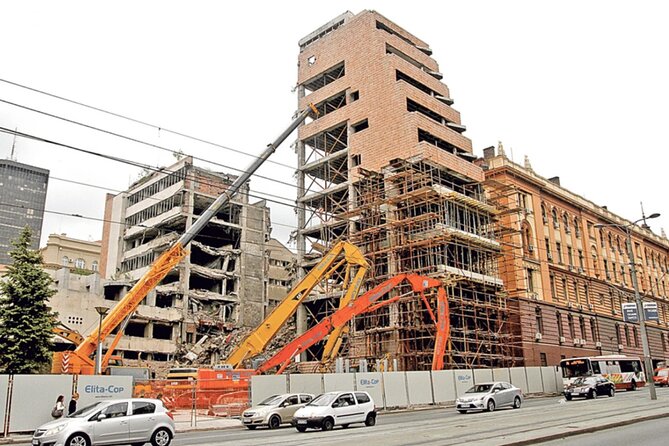
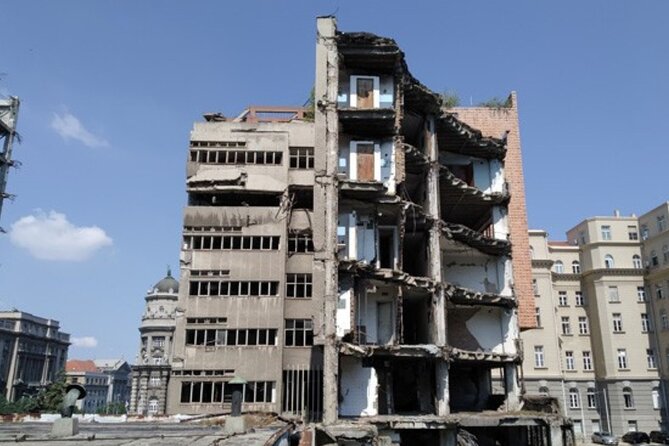
- Generalštab is the visual centerpiece: The bomb-damaged military complex is one of Belgrade’s most recognizable reminders of 1999.
- The children’s memorial adds a personal note: Tašmajdan Park brings the human cost of the bombing into focus.
- The tour moves quickly: Several stops last only 5 to 20 minutes, so expect an overview rather than a long walking study.
- Best for context, not admission-heavy sightseeing: Most stops are viewed from outside or in public spaces, with no lunch included.
What this Belgrade bombing tour is really about
This is less a museum visit and more a moving history lesson through central Belgrade. You travel between places connected to the NATO bombing, the Serbian state, the monarchy, and the wider story of modern Serbia.
That matters because the subject is politically charged. A tour like this can give you details and emotions that are easy to miss when you simply walk past damaged buildings. It can also present a strongly Serbian interpretation of the conflict, so you should come ready to listen, ask questions, and keep the wider regional picture in mind.
The tour is conducted in English and lasts about two hours. Since it is private, you are not sharing the vehicle with a larger group. That gives you a better chance to ask about a particular building or event, though the short schedule still limits how far the conversation can go.
The tour currently costs $69.99 per person. Its value depends on your group size and what you want from the day. For one person, the price is fairly high for a two-hour outing with no meal or paid museum entry. For a couple or small group, private transport and a dedicated guide make the cost easier to justify, especially if you want focused historical context rather than a general city tour.
A few more things to book in Belgrade
- History and Culture in my Belgrade
★ 5.0 · 41 reviews - Football tour: Red Star and Partizan Ultras History
★ 5.0 · 14 reviews - Tito and History Vintage Car Tour
★ 5.0 · 11 reviews
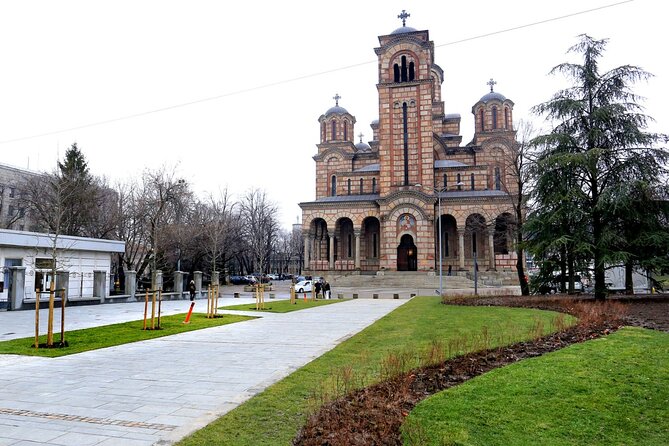
St. Mark’s Church opens with Belgrade’s religious and civic story
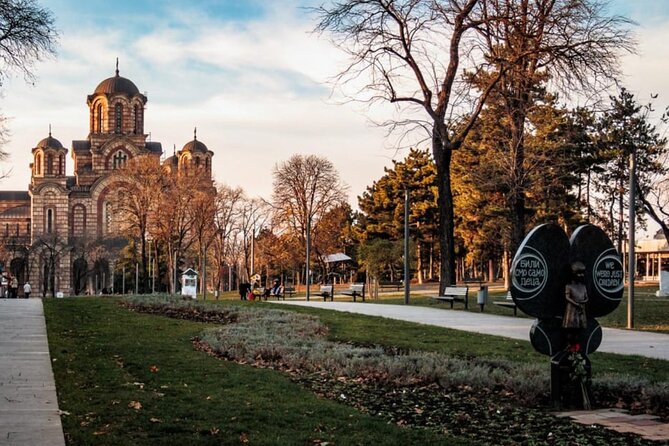
The first stop is Crkva Svetog Marka, or St. Mark’s Church, where you have about 20 minutes and admission is included.
The church is one of Belgrade’s important religious buildings, but on this tour it also helps place the bombing story within the city itself. You are not beginning at a distant memorial or a military site. You start in a familiar public part of Belgrade, close to Tašmajdan Park and the government quarter.
Twenty minutes is enough for a look at the church and a short explanation, but not for a slow architectural study. If religious art and church interiors are a major interest for you, you may want to return on your own. Here, the church is one chapter in a broader story rather than the main subject.
Tašmajdan Park brings the human cost closer
The next stop is Tašmajdan Park, with about 20 minutes to see the memorial dedicated to children who died during the NATO bombing. Admission is free.
This is likely to be one of the most affecting parts of the experience. The park is a public green space, yet the memorial gives the tour a direct human focus. It moves the discussion away from military targets and political decisions and toward the children and families caught in the conflict.
You do not pay an entrance fee here, but that does not make the stop unimportant. The cost is in the time and attention you give it. If you want a quiet, extended visit, 20 minutes may feel short. One past assessment of the tour also found the schedule too fast and questioned paying for a stop in a public park. That is a fair concern, but the value here comes from the guide’s explanation and the wider context, not from admission access.
The National Assembly shows the state at the center of events
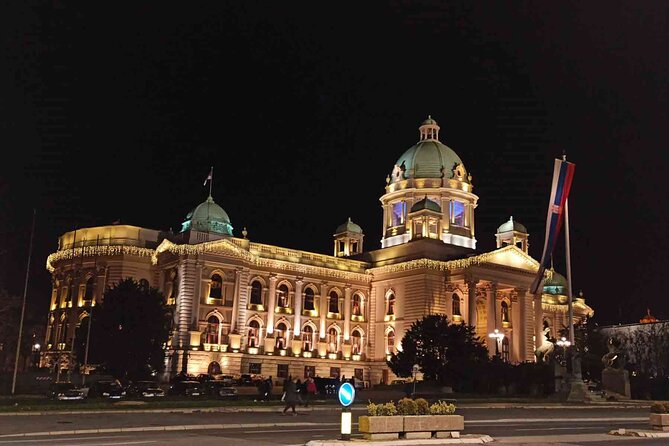
The tour then pauses for about 10 minutes at the House of the National Assembly of the Republic of Serbia, often simply called the Serbian Parliament. Admission is free.
This stop helps explain why central Belgrade was such a powerful setting during the bombing. Government buildings are not just architecture. They represent state power, decision-making, and the political identity of the country.
Ten minutes gives you time to view the building and hear the basic story. It is not enough for an interior tour, and the experience does not promise entry. Think of this as a photo and orientation stop, with the guide supplying the meaning.
The short time can work well if you want a brisk overview. It is less satisfying if you prefer to stand in one place and explore architectural details.
Same city, a different kind of afternoon:
- Northern Serbia: Sremski Karlovci and Novi Sad Full-Day Tour from Belgrade
★ 5.0 · 425 reviews - Day Trip from Belgrade: Gems of Eastern Serbia
★ 5.0 · 424 reviews - Belgrade Nightlife Bar Pub Club Crawl with Drinks
★ 5.0 · 277 reviews - Taxi to/from Belgrade Airport to/from Belgrade City Center
★ 5.0 · 241 reviews
Generalštab is the tour’s clearest physical reminder
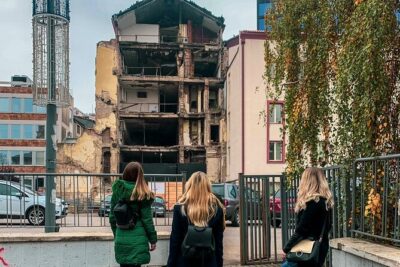
At Generalštab, you spend about 10 minutes. This bomb-damaged complex is one of the tour’s key sites and one of the strongest visual reminders of the 1999 NATO campaign.
The ruined structure has a different effect from a plaque or monument. Damage remains visible in the building itself, allowing you to connect the historical account with a real place in the city. The stop also raises questions about preservation, memory, and what happens when a damaged building becomes part of a city’s identity.
Do not expect a long interior visit. The supplied details describe Generalštab as a stop and a symbol of the bombing, not as an open museum. The value comes from seeing the site and hearing its place in the story.
Ten minutes may sound brief, but this is one location where a focused explanation can work. If the guide speaks too quickly or you have many questions, you may wish for more time. One assessment of the tour noted that the guide was friendly and informed but sometimes difficult to understand, so clear communication matters here.
The old railway station adds another layer
The tour continues to the Railway Museum and old railway station, with about 10 minutes and no admission charge.
This stop broadens the subject beyond military and government buildings. Railway stations are tied to movement, public life, and the changing shape of a city. The old station also offers a link to Belgrade’s earlier urban history, even though the tour remains focused on the bombing and Serbia’s modern past.
Again, the schedule is short. You should expect an exterior or brief stop rather than a full museum visit. If you are hoping to study railway exhibits in detail, this experience may not give you enough time.
Still, the stop works as a change of rhythm. After the church, memorial, parliament, and damaged military headquarters, the station reminds you that Belgrade’s story is larger than one conflict.
The former royal palace and Tsar Nicholas II
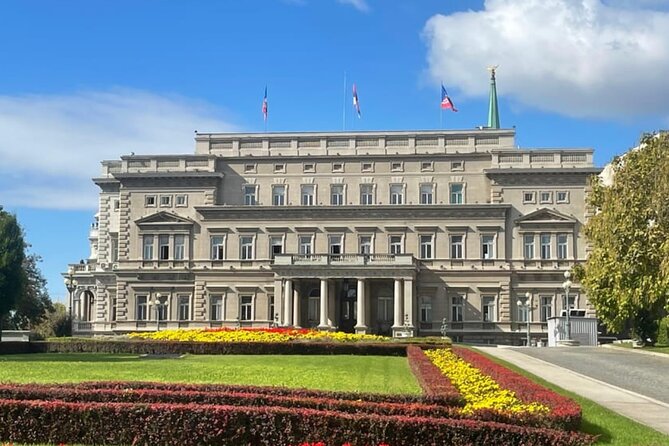
The route also includes the old king’s palace, followed by a five-minute stop at the Monument to Tsar Nicholas II Romanov. The supplied schedule does not give a separate duration for the palace, so you should expect a short look rather than a lengthy palace visit.
The palace adds a royal and national dimension to the tour. The monument to Tsar Nicholas II connects Serbia with the Romanov dynasty and the historic ties between Serbia and Russia. At five minutes, the monument is a quick orientation stop, not a full lesson in Russian or Serbian imperial history.
This part of the route may appeal most if you want to see how different periods overlap in central Belgrade. The tour does not focus only on 1999. It also touches religious, royal, political, and cultural symbols that help explain how the city remembers its past.
Why the private format matters
The private format is one of the clearest advantages. Only your group participates, so you are not adjusting your pace to a busload of strangers. Pickup is offered, and transport is provided in an air-conditioned vehicle with WiFi onboard.
That setup is useful in warm weather and for anyone who would rather not navigate between several central stops. It also makes the tour easier to fit into a short Belgrade visit. The listed start time is 11:00 a.m., giving you a clear midmorning appointment.
A private tour does not automatically mean a slow tour. In this case, the schedule remains compact. You gain flexibility in who is with you, but not unlimited time at each site. Ask questions as you go, especially at Generalštab and Tašmajdan Park, where the historical meaning is strongest.
The activity calls for a moderate level of physical fitness. Exact walking distances are not given, so you should not assume the vehicle removes all walking. The tour is near public transportation, but pickup is included.
The guide’s role is central to the value
The buildings and memorials are important, but the guide is what turns the route into a historical tour. The strongest reason to book is the chance to hear a Serbian interpretation of the Yugoslav wars and NATO bombing while standing at locations tied to those events.
You should also recognize the limit of that approach. A local perspective can be valuable, but it is still one perspective. If you have already studied the wars, you may want to compare what you hear with other sources and regional viewpoints.
English is the offered language. One assessment praised the guide’s friendly manner and command of the subject but found some explanations difficult to understand. That is worth keeping in mind, especially because the tour covers sensitive material in a short time. The clearer the guide’s delivery, the more you will get from each brief stop.
Is $69.99 a fair price?
At $69.99 per person, this is not the cheapest way to see central Belgrade. Several locations are public spaces, and the tour lasts only about two hours. There is no lunch, and the included stops do not appear to rely on a series of paid attractions.
The price becomes more reasonable when you value the private vehicle, pickup, English-language guide, and focused subject. You are paying for transportation and interpretation, not simply entrance tickets. If your group has several people, the private format offers better value than it does for a solo booking.
I would compare it with what you want to do on the same morning. If you mainly need a quick introduction to the bombing and prefer not to arrange transport yourself, this tour makes sense. If you are comfortable walking around central Belgrade and reading about the sites independently, the cost may feel harder to defend.
The current score is 4.8 from 17 ratings, with 100 percent recommending the experience. That is a strong signal, though the small number of ratings means I would still pay attention to the practical criticism about speed and guide clarity.
Who should book this experience?
I would recommend it most to:
- First-time visitors who want a focused introduction to Belgrade’s NATO bombing sites
- People interested in Serbia’s own account of the Yugoslav wars
- Couples, families, or small groups who value private transport
- Visitors with only a few hours available
- Anyone who prefers a guide to explain difficult political history on location
I would be more cautious if you want a slow architectural tour, museum interiors, or a long visit at each memorial. You may also find the price high if you are traveling alone and do not need pickup or private transport.
Bring a patient attitude. The subject is painful and political, and the tour moves through several different periods of Serbian history. You will get more from it if you listen carefully, ask direct questions, and treat the experience as one local perspective rather than the final word on the conflict.
Should you book the NATO Bombing of Belgrade Historical Tour?
Book it if you want focused historical context, private transport, and a Serbian point of view in a compact two-hour format. Generalštab and the children’s memorial in Tašmajdan Park give the tour real weight, while St. Mark’s Church, the parliament, old railway station, palace, and Tsar Nicholas II monument add wider context.
Skip it if you want long visits, museum access, or a low-cost walking tour. The route is fast, and several stops are free public sites. For a small group with limited time, the convenience and guide may justify the $69.99 price. For a solo visitor who enjoys independent sightseeing, the value is less certain.
FAQ
How long is the NATO Bombing of Belgrade Historical Tour?
The tour lasts approximately two hours.
What time does the tour start?
The listed start time is 11:00 a.m.
Is hotel or location pickup available?
Yes. Pickup is offered as part of the experience.
Is this a private tour?
Yes. Only your group participates.
What language is the tour offered in?
The tour is offered in English.
Is transportation included?
Yes. Private transportation in an air-conditioned vehicle is included, along with WiFi onboard.
Can I cancel for a full refund?
Yes, if you cancel at least 24 hours before the experience starts. Cancellations or changes made less than 24 hours before the start time are not accepted for a refund.
Just added in Belgrade
- Belgrade Layover Private tour + E-Scooter Sighteeing★ 5.0 · 6 reviews
- Belgrade Insight Private Tour – For Those Who Seek Answers★ 5.0 · 6 reviews
- Belgrade Private Driving & Walking Tour★ 5.0 · 4 reviews
- Belgrade Fashion and Design Tour – Discover Local Designers★ 5.0 · 4 reviews
- 4-Hour Belgrade Private Grand City Walking Tour★ 5.0 · 8 reviews
- Belgrade Local Craft Beer Tasting Tour★ 5.0 · 8 reviews
- Belgrade Chuggalong – Pub Crawl★ 4.0 · 8 reviews
- Ada Lake Tour★ 5.0 · 7 reviews
Historical Tours, compared.
Football tour: Red Star and Partizan Ultras History
Read our review →
Browse the lists this tour appears in