
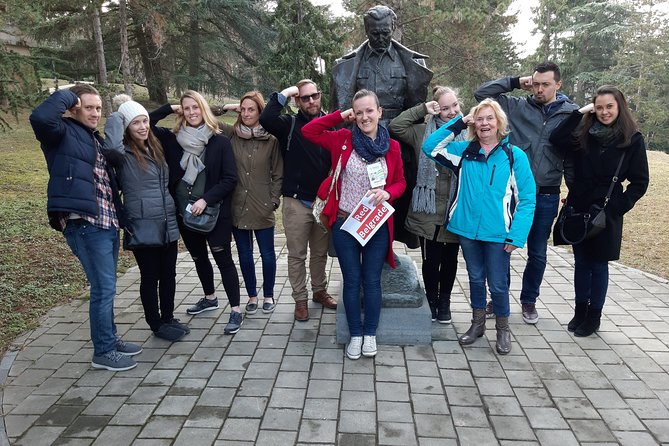
Reviewed · COMMUNIST & YUGOSLAV HISTORY TOURS
Red Belgrade Communist Tour
Belgrade’s Communist past is not kept behind glass. It is built into the squares, trolley wires, grand hotels, gray apartment blocks, and Tito’s former world. This four-hour tour connects those pieces, beginning at Republic Square and ending at the Museum of Yugoslavia and the House of Flowers mausoleum.
I like the easy mix of walking and public transport, since the trolley ride takes you beyond central Belgrade without making you solve the city’s route system yourself. I also like the range of voices and stories, from Tito and pioneer ceremonies to Western music, political conflict, urban legends, and the gifts once presented to Yugoslavia’s leader.
The main consideration is the tour’s title. It is called a Communist tour, but you’ll also cover the Kingdom of Yugoslavia, World War II, the breakup of Yugoslavia, and the conflicts of the 1990s. That broader scope is useful, but anyone expecting four hours focused only on Communist rule may find the subject wider than expected.
Key things to know before you book
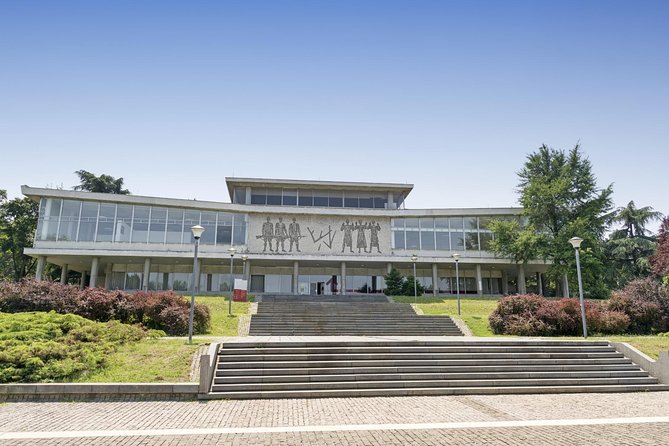
- Tito’s personal world is the tour’s grand finale: The Museum of Yugoslavia includes ceremonial gifts, including a present from the Apollo 11 crew, followed by Tito’s tomb at the House of Flowers.
- The trolley ride is part of the history lesson: You use a still-active public transport line to reach Dedinje, the former elite district filled with embassies, villas, and the museum complex.
- The tour starts in central Belgrade and ends outside the center: Meet at Trg Republike 9 at 10:00 a.m. and finish at the House of Flowers.
- The guides make a real difference: Guides named Nebo, Radica, Dragor, Hristina, Nina, Isadora, Borjan, and Dragana have led tours, with strong praise for clear explanations, humor, and personal stories.
- Plan for hills and plenty of standing: Comfortable shoes and water are essential. One stop for drinks or rest would make the morning easier for some people.
- The shared tour has an unusual solo rule: It requires at least two passengers. If you are alone, you can cancel without a fee or pay a 75 percent supplement to continue privately.
Republic Square begins the story in the city center
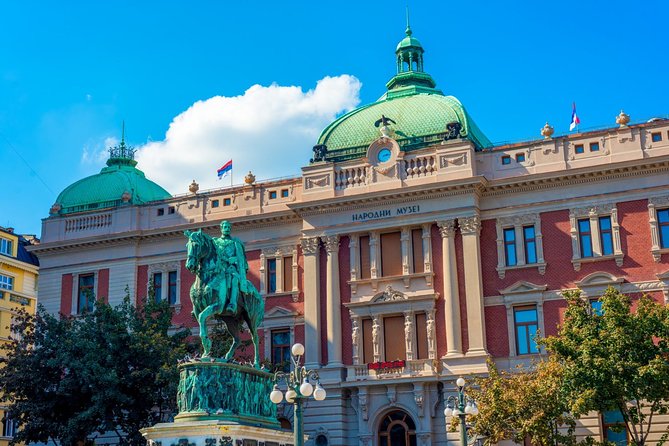
Your morning starts at Republic Square, a useful place to set the scene because it brings together several layers of Belgrade. The tour presents the square as the place where Tito gave an important speech connected with the creation of Socialist Federal Republic of Yugoslavia.
From here, the guide frames the period from World War II through the 1990s and into the early 2000s. You’ll hear about the rise of Communism, Tito’s role, the idea of Yugoslavia, and the nostalgia that still surrounds the country for people who grew up in it.
That nostalgia matters. The tour does not treat the period as a simple tale of good or bad government. It looks at the fond memories of stability and shared identity alongside repression, political control, and the darker parts of the period. The guide may also bring in conspiracy theories and city legends from the second half of the 20th century, which gives the opening walk a more personal and local feel.
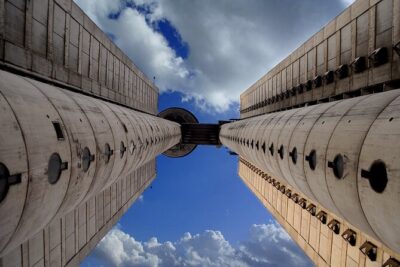
As you move through the center, pay attention to the mixture of styles. Socialist-era buildings sit beside monuments from the old Yugoslav Kingdom and more recent construction. This visual mix helps explain why Belgrade can feel historically crowded. One block may point to monarchy, the next to postwar socialism, and the next to the unsettled decades that followed Yugoslavia.
More of the recent past in Belgrade:
- Belgrade Underground Tour w/ Sparkling Wine Along the River
★ 5.0 · 151 reviews - Belgrade War Island Kayak Tour
★ 5.0 · 101 reviews - Great War Island Kayak Adventure
★ 5.0 · 20 reviews
Terazije explains work, glamour, and public life
The next stop is Terazije, where the subject shifts from political beginnings to daily life and public spectacle. You’ll hear about holidays, celebrations, famous figures, and unusual visitors connected with Hotel Moskva, one of Belgrade’s best-known historic hotels.
The former Marx and Engels Square, with the imposing Trade Union Hall, offers another angle on Socialist society. Work was not only a way to earn money. It was presented as a public virtue and a central part of national life. The guide uses the story of a miner who became a celebrity to show how the system could turn an ordinary worker into a public hero.
This is one of the tour’s strengths. Instead of only listing leaders and dates, it asks what the system wanted ordinary people to admire. You’ll look at labor, music, entertainment, ceremonies, and public buildings as pieces of the same political message.
The stop also gives you a chance to see how Belgrade’s grand center functioned as a stage. Hotels, squares, halls, and monuments were not just scenery. They helped shape the image of the country and the kind of citizen the state hoped to create.
Pionirski Park covers youth, Western influence, and control
At Pionirski Park, the focus turns to children and ideology. The guide explains the pioneer oath, a ritual that introduced young people to the values of the socialist state. It is a useful stop because it shows how politics entered family life and school life, not just government offices.
The tour also addresses the unusual place Yugoslavia held within the Communist world. The country allowed more contact with the West than many other socialist states. Western music influenced young people, and changing access to culture helped create new styles and habits.
That openness came with limits, and the guide does not avoid the difficult side of the story. You’ll hear about the darker parts of the regime and the tensions that eventually shaped the country’s later history. The strongest guides, including Nebo, Nina, and Hristina, have been praised for explaining these subjects in a calm way and allowing time for questions.
On the way, you’ll pass the monument to Ivo Andrić, the Serbian Nobel Prize-winning writer who also served as a diplomat in Berlin at the start of World War II. His presence adds another reminder that Serbian and Yugoslav history cannot be reduced to the Communist period alone.
This section is also where the walking becomes more noticeable. The route involves standing and hills, so wear shoes that can handle a long morning. You may want to bring water, especially in warm weather.
The trolley ride makes the history feel practical
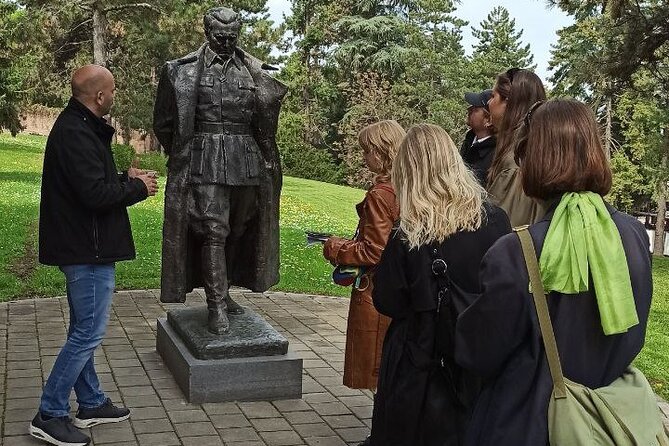
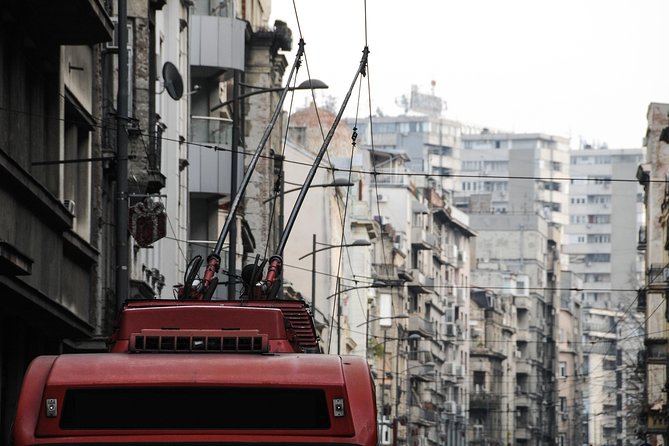
After the central walking route, you board a city trolley toward Dedinje. The ride is included in the price, and it is more than a convenient transfer. Public transportation was a basic part of everyday Yugoslav life, so using a still-active trolley line gives the tour a direct link to the period being discussed.
It also changes the pace. After several stops on foot, you get to sit, watch Belgrade pass by, and ask questions while heading toward the museum. If you are unfamiliar with the city’s public transport, this part removes a practical problem. The Museum of Yugoslavia is outside the central route, and getting there alone may take more planning than you expect.
Dedinje is known for embassies and large residential villas. The area gives the tour a different mood from the central squares. Here, the subject moves toward the political elite, Tito’s residences, and the institutions linked to the former Yugoslav state.
The trolley is a one-way ride, and the tour ends at the museum rather than returning you to Republic Square. Plan the rest of your day from Dedinje, not from the original meeting point.
Same city, a different kind of afternoon:
- Northern Serbia: Sremski Karlovci and Novi Sad Full-Day Tour from Belgrade
★ 5.0 · 425 reviews - Day Trip from Belgrade: Gems of Eastern Serbia
★ 5.0 · 424 reviews - Belgrade Nightlife Bar Pub Club Crawl with Drinks
★ 5.0 · 277 reviews - Taxi to/from Belgrade Airport to/from Belgrade City Center
★ 5.0 · 241 reviews
The Museum of Yugoslavia puts Tito at the center
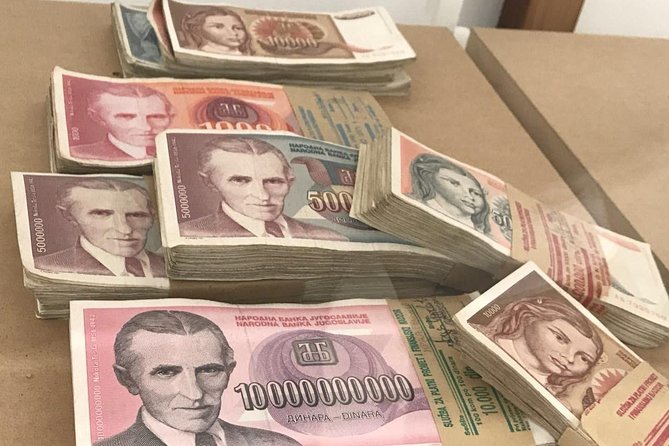
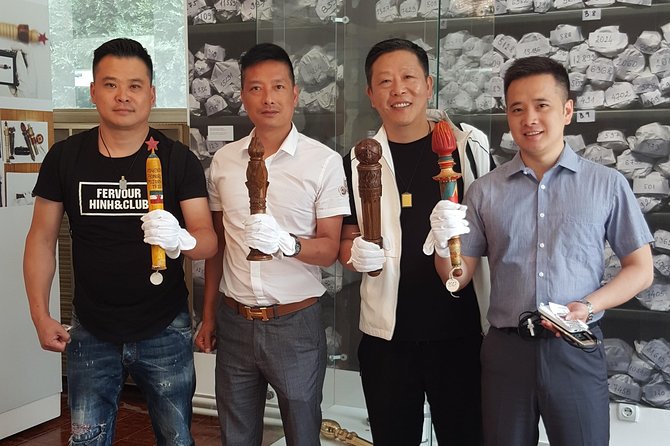
You spend about an hour and a half at the Museum of Yugoslavia, and this is the longest part of the experience. The museum focuses on Josip Broz Tito, his political role, and the public image built around him.
The collection includes ceremonial gifts presented to the Yugoslav president. One of the most unusual is a gift from the crew of Apollo 11, which links Tito’s international standing to the wider story of Cold War diplomacy and prestige.
The museum helps explain why Tito remains such a large figure in the former Yugoslavia. He led the country for decades and presented it as a separate path between the Soviet bloc and the West. The displays also give you a chance to consider the contrast between public ideals and the lifestyle of the leadership.
Your guide’s role matters here. The exhibits can raise questions about nationalism, state power, memory, and political myth. Guides such as Nebojsa, Borjan, Dragana, and Isadora have been especially effective at connecting objects to the larger story and making space for questions. Some guides also use personal experience to explain how the period is remembered in Serbia.
The museum is not just an extra stop added to a walking tour. It is the part that makes the morning worthwhile for anyone serious about understanding Yugoslavia. You might not choose to visit it on your own, particularly because it sits outside the central sightseeing area. With the trolley route and guided explanation included, the museum becomes much easier to fit into a short stay.
The House of Flowers gives the tour a quiet ending
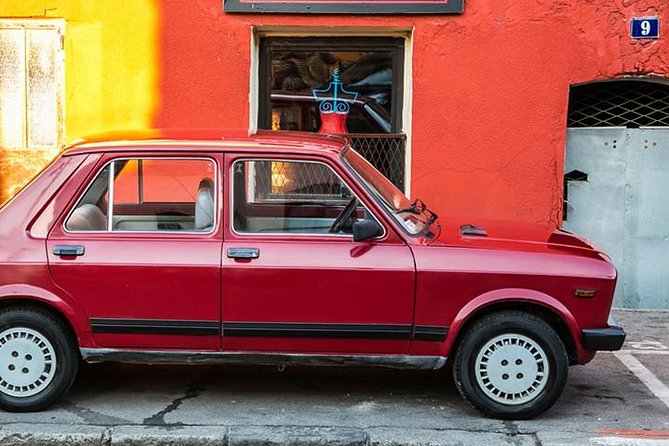
The final stop is the House of Flowers, the mausoleum where Tito is buried. After the streets, public squares, and political stories, this is a quieter place to think about the lasting power of his image.
The stop does not ask you to admire Tito or condemn him. It presents the mausoleum as part of the way Yugoslavia remembered its leader and the way later generations have argued over that memory. The museum collection and the guide’s account bring the former republic back to life, then return you to the present.
This ending works because it leaves you with an object and a place, not just a list of dates. Tito’s grave, the ceremonial gifts, the pioneer oath, the worker hero, the trolley, and the central squares all connect into one account of how a state shaped public life.
You finish at the museum complex after the visit. There is no return transfer included, so keep your later plans flexible and check how you want to continue from Dedinje.
How the guiding shapes the experience
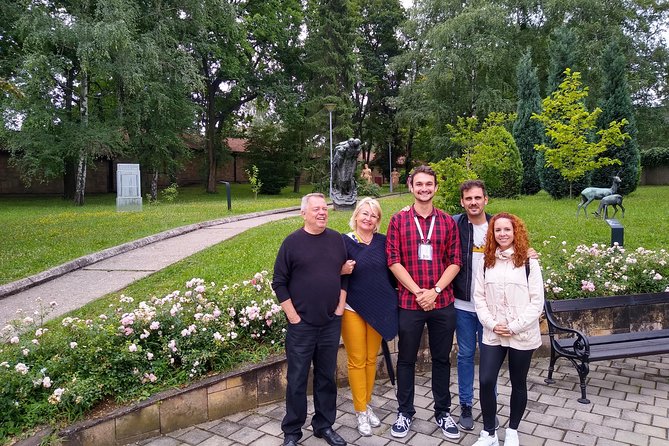
The tour has a maximum of 25 people, but the actual group can be much smaller. One reported group had six people, which made it easier to ask questions and keep the discussion personal. Small groups are particularly helpful on a subject as complicated as Yugoslavia, since you may want clarification about political terms, national identity, or the breakup of the country.
Guide assignments vary. Names associated with this experience include Nebo, Radica, Dragor, Hristina, Nina, Isadora, Borjan, Dragana, and Cristina. The most praised qualities are clear speech, humor, patience, and the ability to connect the sites rather than simply recite information.
You should also confirm the language when booking. The experience is offered in English, but one booking mix-up involved people who expected English and were assigned a Spanish-language tour. That appears to have been a communication problem rather than the normal arrangement, but it is worth checking before the day begins.
The tour is often described as balanced, though the exact emphasis will depend on the guide. You may spend more time on Tito and the museum, or more time on Serbia’s wider 20th-century story. If you want a narrow study of Communist institutions, ask at the start how the guide plans to divide the morning.
Is $53.10 a fair price?
At $53.10 per person, the price is reasonable if you value interpretation and a structured route. The fee includes the English-speaking guide, trolley tickets, and entry to the Museum of Yugoslavia. You are not paying only for a walk through central Belgrade. You are also paying for the museum transfer, the museum admission, and the effort of joining separate places into one story.
The value is strongest for a first visit or a short stay. You can see key central locations, use local transport, and reach Dedinje without spending part of your morning working out the route. A private option is available for people who want more control, while a shared tour keeps the cost lower.
The solo rule needs attention. Shared tours require at least two passengers. If you are the only person booked, the operator will contact you no later than 24 hours before departure. You can cancel without a fee, or pay a 75 percent supplement to keep the tour as a private experience. That is a large extra charge, so solo bookers should understand it before committing.
The tour is generally considered suitable for most people, but the four-hour length includes substantial walking and standing. Comfortable shoes and water are not optional extras for many people. One rest stop would improve the morning, especially for anyone affected by hills or warm weather.
Who should book this Belgrade tour?
I would choose this tour if you want political history tied to real streets and public spaces. It suits anyone interested in Tito, Yugoslavia, Cold War Europe, 20th-century Serbia, or the way ordinary life can be shaped by a government’s ideals.
It also works well as an early Belgrade activity. The central route helps you get your bearings, and the guide can point out places to return to later. The museum and trolley ride add experiences that can be awkward to arrange alone.
I would be cautious if you want a relaxed sightseeing walk with little serious discussion. The subject includes war, political conflict, national identity, and the breakup of Yugoslavia. It is not a light city stroll, even though the guides often bring humor and everyday observations into the conversation.
Book it if you can handle a long morning on foot and want a guided explanation of why Belgrade looks and feels the way it does. Skip it if your main goal is modern architecture, food, or a short orientation walk without historical debate. For most history-minded visitors, the combination of Republic Square, the trolley, Tito’s museum, and the House of Flowers makes this a strong use of four hours.
FAQ
Where does the Red Belgrade Communist Tour start?
The tour starts at Trg Republike 9 in Belgrade. The scheduled start time is 10:00 a.m.
Where does the tour finish?
The tour finishes at the Museum of Yugoslavia, after the visit to the House of Flowers mausoleum in Dedinje.
What does the tour price include?
The $53.10 price includes an English-speaking guide, trolley tickets, and entry to the Museum of Yugoslavia.
Is the tour offered in English?
Yes. The experience is offered in English. Because one language mix-up has been reported, confirm the tour language when booking.
How long does the experience last?
The tour lasts approximately four hours. The Museum of Yugoslavia portion takes about one hour and 30 minutes, and the earlier stops include walking and a trolley ride.
What happens if I am the only person booked?
The shared tour requires at least two passengers. If you are the only person, you can cancel without a fee or pay a 75 percent supplement to continue as a private tour. You should receive notice at least 24 hours before departure.
Just added in Belgrade
- Belgrade Layover Private tour + E-Scooter Sighteeing★ 5.0 · 6 reviews
- Belgrade Insight Private Tour – For Those Who Seek Answers★ 5.0 · 6 reviews
- Belgrade Private Driving & Walking Tour★ 5.0 · 4 reviews
- Belgrade Fashion and Design Tour – Discover Local Designers★ 5.0 · 4 reviews
- 4-Hour Belgrade Private Grand City Walking Tour★ 5.0 · 8 reviews
- Belgrade Local Craft Beer Tasting Tour★ 5.0 · 8 reviews
- Belgrade Chuggalong – Pub Crawl★ 4.0 · 8 reviews
- Ada Lake Tour★ 5.0 · 7 reviews
Communist & Yugoslav History Tours, compared.
Belgrade Underground Tour w/ Sparkling Wine Along the River
Read our review →
Browse the lists this tour appears in